Did you know that a well-designed interior can increase your home’s value by up to 15%? In today’s fast-evolving design landscape, mastering the art of interior decoration is not just about aesthetics but also about functionality and comfort. Whether you’re renovating a single room or undertaking a full home makeover, understanding current trends and practical design principles is essential for creating a space that truly reflects your personality and lifestyle.
For those seeking professional guidance, https://interiorsbysarahward.com/ offers comprehensive interior design services tailored to meet diverse needs and preferences. This article delves into strategic design approaches, commercial considerations, and risk factors to help you make informed decisions and achieve a harmonious living environment.
Key Interior Design Trends Shaping 2024
The interior design industry is witnessing a shift towards sustainability, minimalism, and smart technology integration. Here are some pivotal trends to consider:
- Eco-friendly Materials: Bamboo, reclaimed wood, and recycled metals are gaining popularity for their environmental benefits and unique textures.
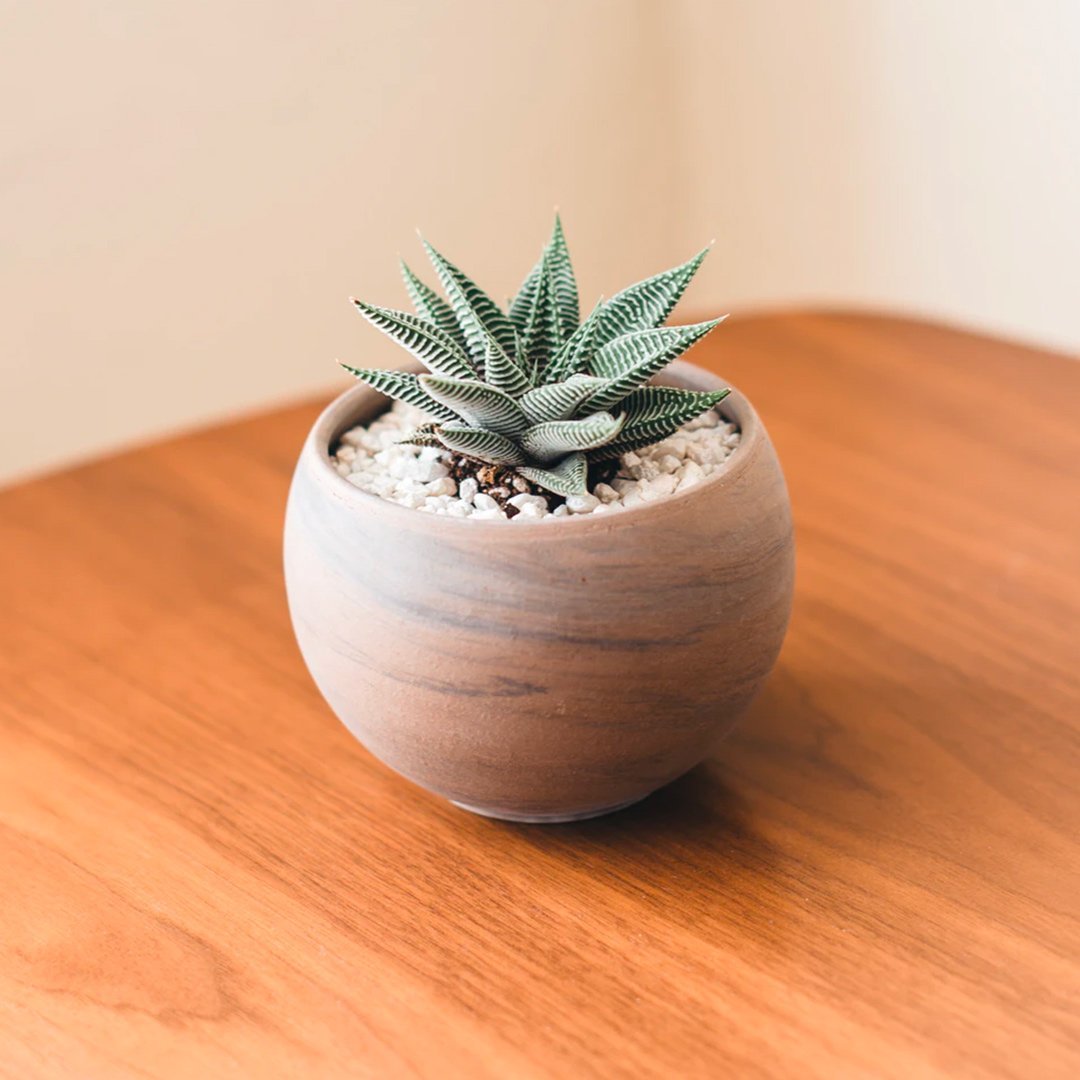
- Biophilic Design: Incorporating natural elements such as indoor plants and natural light to enhance wellbeing.
- Multifunctional Spaces: Flexible furniture and layouts that adapt to work-from-home and leisure needs.
- Smart Home Integration: Automated lighting, climate control, and security systems for enhanced convenience and energy efficiency.
- Bold Color Palettes: Deep greens, navy blues, and warm terracotta tones replacing neutral dominance.
Strategic Guide to Planning Your Interior Design Project
Successful interior design requires a clear plan that balances creativity with practicality. Follow these strategic steps to optimize your project:
- Define Your Objectives: Identify the purpose of each space and your style preferences.
- Budget Allocation: Establish a realistic budget covering materials, labor, and contingencies.
- Space Assessment: Measure dimensions and analyze natural light, ventilation, and existing architectural features.
- Material Selection: Choose durable, sustainable, and aesthetically pleasing materials.
- Hire Professionals: Collaborate with experienced designers and contractors for expert execution.
- Timeline Management: Set milestones and monitor progress to avoid delays.
Commercial and Practical Considerations in Interior Design
When designing interiors for commercial spaces or rental properties, functionality and compliance are paramount. Consider the following:
- Durability: Use materials and finishes that withstand heavy usage.
- Accessibility: Ensure compliance with ADA standards and universal design principles.
- Brand Identity: Reflect the brand’s ethos through color schemes, furniture, and layout.
- Maintenance: Opt for easy-to-clean surfaces and modular furniture for quick reconfiguration.
Risk Management and Common Pitfalls
Interior design projects can encounter several challenges that may compromise the outcome or budget. Awareness and proactive management are crucial:
- Over-customization: Avoid overly personalized designs that may reduce resale value.
- Poor Space Utilization: Inefficient layouts can lead to clutter and discomfort.
- Ignoring Lighting: Insufficient or harsh lighting affects mood and usability.
- Budget Overruns: Unexpected costs can derail the project; always include a contingency fund.
- Inadequate Research: Failing to verify contractors’ credentials or product quality can result in subpar results.
Comparative Overview: Popular Interior Design Styles
| Style | Characteristics | Ideal For | Maintenance Level |
|---|---|---|---|
| Modern | Clean lines, neutral colors, minimal ornamentation | Urban apartments, contemporary homes | Medium |
| Scandinavian | Light colors, natural materials, functional furniture | Small spaces, minimalist lovers | Low |
| Industrial | Exposed brick, metal fixtures, raw textures | Lofts, creative studios | Medium |
| Traditional | Ornate details, rich colors, classic furniture | Spacious homes, vintage enthusiasts | High |
| Bohemian | Eclectic mix, vibrant colors, layered textiles | Artistic spaces, casual living | Medium |
Conclusion
Interior design in 2024 demands a blend of innovation, sustainability, and strategic planning. By embracing current trends, carefully managing budgets, and anticipating potential risks, you can create spaces that are not only visually stunning but also functional and enduring. Whether you are a homeowner or a commercial client, leveraging expert advice and proven methodologies will ensure your interior design project is a resounding success.